The Moral Storytelling System produces a tale, following user preferences, which delivers a simple mess
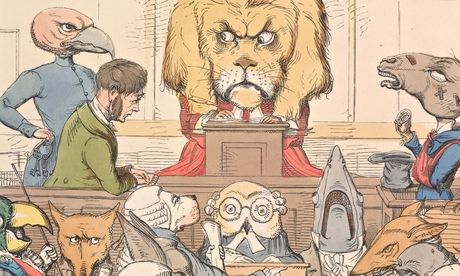
Computer learns how to teach lessons … detail from an 1857 edition of Aesops fables, illustrated by Charles H Bennett. Illustration: LH Pordes/The British Library
More than 2,000 years after Aesop warned his listeners in ancient Greece about the dangers of greed and pride via the medium of geese, foxes and crows, researchers in Australia have developed a computer program which writes its own fables, complete with moral.
Margaret Sarlej, at the University of New South Wales, has devised the Moral Storytelling System, which generates simple stories with one of six morals identified in Aesop's fables: retribution, greed, pride, realistic expectations, recklessness and reward. The stories are structured around characters who are able to experience up to 22 emotions, from joy to pity, remorse and gratitude, in three different story worlds.
"The 'user' simply chooses a moral, and the system automatically determines a sequence of events (ie a story) which make characters feel the emotions required to convey that moral," said Sarlej via email.
More
Margaret Sarlej, at the University of New South Wales, has devised the Moral Storytelling System, which generates simple stories with one of six morals identified in Aesop's fables: retribution, greed, pride, realistic expectations, recklessness and reward. The stories are structured around characters who are able to experience up to 22 emotions, from joy to pity, remorse and gratitude, in three different story worlds.
"The 'user' simply chooses a moral, and the system automatically determines a sequence of events (ie a story) which make characters feel the emotions required to convey that moral," said Sarlej via email.
More


No comments:
Post a Comment